Choose the Right Toothbrush

Declan Kennedy
| 14-05-2026
 · Information Team
Selection of a toothbrush plays a major role in maintaining daily cleanliness of teeth surfaces and supporting overall dental protection.
Despite being a simple tool, variations in design, bristle type, head shape, and handle ergonomics can significantly influence effectiveness.
Many individuals use improper brush types, which can lead to inefficient cleaning or unnecessary discomfort during daily cleaning routines. Understanding the functional differences can help ensure proper plaque removal, gum protection, and long-term maintenance of tooth integrity.
Bristle Texture and Its Functional Impact
Bristle softness is one of the most important characteristics when selecting a toothbrush. Soft bristles are generally recommended because they flex more easily and adapt to curved surfaces, allowing better cleaning around tight spaces without excessive pressure. Medium and hard bristles may appear more durable, but they can create unnecessary abrasion on delicate surfaces when used with strong force.
Family traits may play a role in weight—here’s what to know!
Is your personality inherited? The answer might surprise you!
7 Ways Smart Investors Measure the Risk That Time Itself Creates in Markets
Gold Isn't Just a Safe Haven — Here's the Deeper Financial Case for Holding It
How early should dental care start for kids? Simple habits help protect their smile now!
Why do genes matter daily? They shape risks, treatments, and how your body responds!
High-quality soft bristles are typically designed with rounded tips to minimize friction. This structure helps reduce sensitivity while still effectively removing residue from tooth surfaces. Dentists emphasize that cleaning efficiency depends more on brushing technique than bristle hardness.
Head Size and Access Efficiency
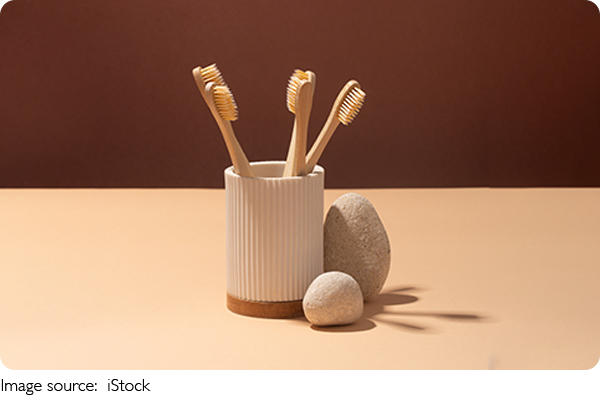
Toothbrush head size influences reach and maneuverability. A compact head design allows better access to rear sections and narrow areas where buildup commonly occurs. Larger heads may cover more surface area but can limit precision in hard-to-reach zones. Research in dental ergonomics shows that smaller brush heads improve control, especially in curved or tightly spaced regions. This contributes to more consistent cleaning results across all surfaces without excessive pressure application.
Handle Design and Grip Stability
Handle structure affects control during brushing routines. A non-slip grip enhances stability, particularly when moisture is present. Straight handles offer simplicity, while angled designs can improve reach to difficult zones. Flexible neck sections are sometimes integrated into modern designs to reduce excessive force transfer. This allows controlled movement and minimizes strain during repetitive use. A well-balanced handle improves consistency in brushing motion and reduces uneven pressure across surfaces.
Manual Versus Powered Options
Traditional manual toothbrushes rely entirely on hand movement control, making technique a key factor in effectiveness. Powered versions introduce automated motion patterns that can enhance consistency, especially for individuals who struggle with maintaining a steady rhythm.
Oscillating and sonic technologies are commonly used in powered models. These systems generate rapid movements that help dislodge buildup more efficiently in certain conditions. However, both manual and powered toothbrushes are equally effective when used correctly with proper technique.
Material Quality and Hygiene Considerations
Material composition influences durability and hygiene maintenance. High-grade synthetic bristles tend to resist wear and maintain structure longer compared to lower-quality alternatives. Handle materials also matter, as smooth, non-porous surfaces are easier to clean and less likely to retain moisture.
Replacement frequency is another important factor. Worn bristles lose their structural integrity, reducing cleaning efficiency. Regular replacement ensures consistent performance and helps maintain hygienic standards over time.
Common Selection Mistakes
A frequent error involves choosing overly firm bristles under the assumption of stronger cleaning power. This approach may lead to unnecessary surface stress without improving cleanliness. Another mistake includes selecting oversized brush heads that limit precision in narrow spaces.
Ignoring handle comfort can also reduce brushing consistency, as unstable grip often results in uneven pressure distribution. These issues highlight the importance of evaluating design features rather than relying solely on appearance or marketing claims.
Practical Selection Guidelines
Effective toothbrush selection involves balancing softness, size, and handling comfort. Soft bristles with rounded ends are generally preferred. Compact heads improve reach, while ergonomic handles support control during movement. Consistency in replacement cycles ensures continued efficiency. Even high-quality designs lose effectiveness when worn, making periodic evaluation essential. Selection should prioritize functionality over aesthetic appeal to ensure reliable daily cleaning performance.

Choosing the right toothbrush requires attention to structural details such as bristle texture, head size, handle design, and material quality. Each feature contributes to overall cleaning efficiency and long-term maintenance of teeth and gums. With proper selection, regular replacement, and correct brushing technique, daily cleaning becomes more effective, supporting lasting cleanliness, comfort, and gum health.